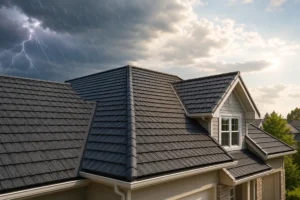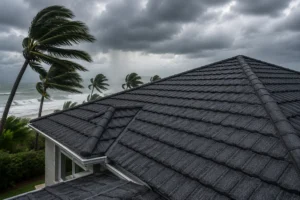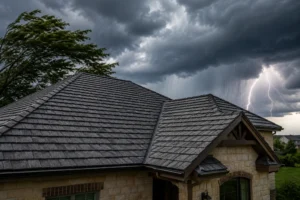
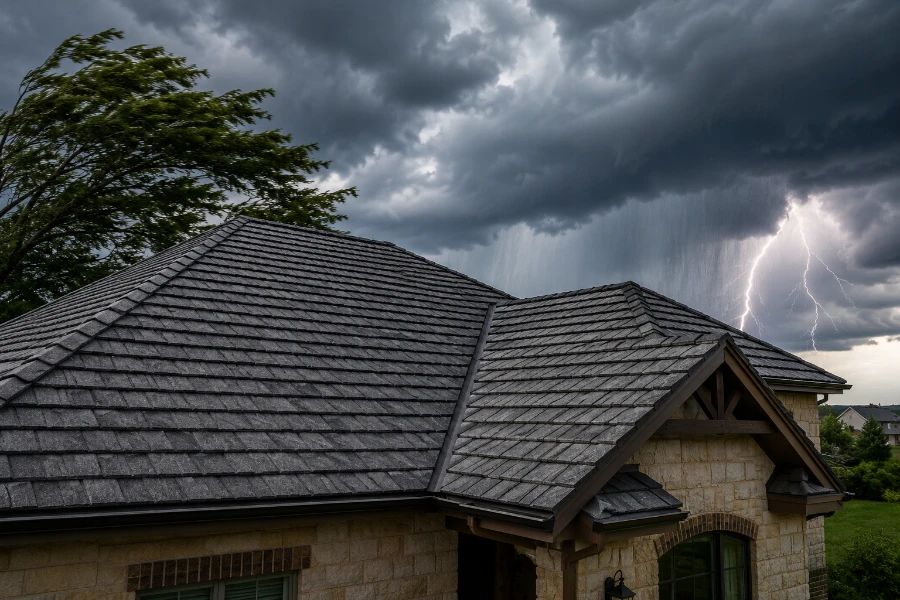
Texas weather doesn’t believe in taking it easy. One week brings sunshine and calm skies. The next delivers thunderstorms, hurricane-force gusts, or straight-line winds capable of tearing roofing materials from homes in seconds. That’s exactly why wind resistant roofing Texas homeowners can depend on has become more than a luxury—it’s an investment in long-term protection.
I’ve seen how quickly a seemingly minor storm can leave neighborhoods scattered with shingles, damaged flashing, and costly water intrusion. Fortunately, modern roofing technology offers solutions specifically engineered to stand up to Texas weather. From advanced installation techniques to high-performance materials like stone coated steel, today’s wind-resistant roofing systems are built to perform when Mother Nature refuses to cooperate.
If you’re planning a roof replacement or simply researching your options, this guide explains exactly what makes a roof resistant to high winds, which materials perform best, and how to choose a system that protects your home for decades.
Why Wind Resistance Matters in Texas
Few states experience weather as diverse as Texas. Depending on where you live, your roof may encounter everything from tropical storms to tornadoes.
Strong winds don’t simply damage roofs—they often begin a chain reaction that allows water to penetrate the home. Once moisture enters beneath roofing materials, repairs become significantly more expensive.
Some of the most common wind events affecting Texas include:
- Severe thunderstorms
- Straight-line winds
- Tornadoes
- Hurricanes near the Gulf Coast
- Tropical storms
- Seasonal cold fronts
- Hailstorms accompanied by high winds
Unlike rain, wind attacks every portion of a roof differently. Corners, ridges, valleys, and roof edges typically experience the highest pressure, making them especially vulnerable if the roofing system isn’t properly secured.
Choosing wind resistant roofing Texas homeowners trust means preparing your home before the next storm arrives—not after damage has already occurred.
Texas Regions Most Vulnerable to High Winds
Every part of Texas experiences strong weather, although the risks vary by region.
Gulf Coast
Homes near the coast regularly experience tropical storms and hurricanes capable of producing sustained winds exceeding 100 mph.
North Texas
Cities throughout North Texas frequently experience tornadoes, severe thunderstorms, and powerful straight-line winds during spring and early summer.
Central Texas
Rapidly changing weather patterns often bring damaging gusts that place significant stress on aging roofing systems.
West Texas
Open terrain allows high winds to travel long distances with little interruption, increasing pressure on roofing materials throughout the year.
Regardless of location, selecting durable roofing materials remains one of the smartest long-term investments homeowners can make.
How High Winds Damage Traditional Roofing
Many homeowners imagine wind simply “blowing shingles away.” The reality is much more complicated.
As wind travels over a roof, it creates pressure differences between the outside air and the attic below. This pressure attempts to lift roofing materials upward. Engineers call this wind uplift, and it’s one of the primary causes of roof failure during severe storms.
Once a single shingle or panel becomes loose, surrounding materials become increasingly vulnerable.
Common wind damage includes:
- Missing shingles
- Lifted roofing materials
- Broken seal strips
- Torn flashing
- Ridge cap failures
- Exposed underlayment
- Loose fasteners
- Water infiltration
- Structural roof damage
Unfortunately, even small damage can quickly expand during the next storm.
Understanding Wind Ratings for Roofing Materials
Not every roofing product offers the same level of protection.
Manufacturers test roofing systems to determine how much wind they can withstand under controlled conditions. These ratings help homeowners compare products before investing in a new roof.
Typical Wind Ratings
| Roofing Material | Typical Wind Rating |
| Standard Asphalt Shingles | 60–90 mph |
| Architectural Shingles | 110–130 mph |
| Standing Seam Metal Roofing | Up to 140+ mph |
| Stone Coated Steel Roofing | Up to 170 mph (system dependent) |
| Concrete Tile | Varies by installation |
| Clay Tile | Varies by installation |
While these numbers provide useful guidance, installation quality remains equally important. Even premium roofing products can fail if improperly installed.
What Makes a Roof Wind Resistant?
A truly wind-resistant roof isn’t defined by one material alone. Instead, it’s a complete system where every component works together.
Key elements include:
- Strong roof decking
- High-quality underlayment
- Proper fastening patterns
- Durable flashing
- Ridge ventilation
- Secure edge protection
- Manufacturer-approved installation methods
Each layer contributes to overall performance.
Skipping any component weakens the entire roofing system.
Installation Matters Just as Much
Even the strongest roofing material cannot compensate for poor workmanship.
Improper fastener placement, incorrect nail depth, or shortcuts during installation dramatically reduce wind performance.
When comparing contractors, always ask about:
- Manufacturer certifications
- Wind installation requirements
- Local code compliance
- Product warranties
- Previous wind-resistant roofing projects
The installer often determines whether a roof performs as expected when severe weather strikes.
Best Wind Resistant Roofing Materials for Texas
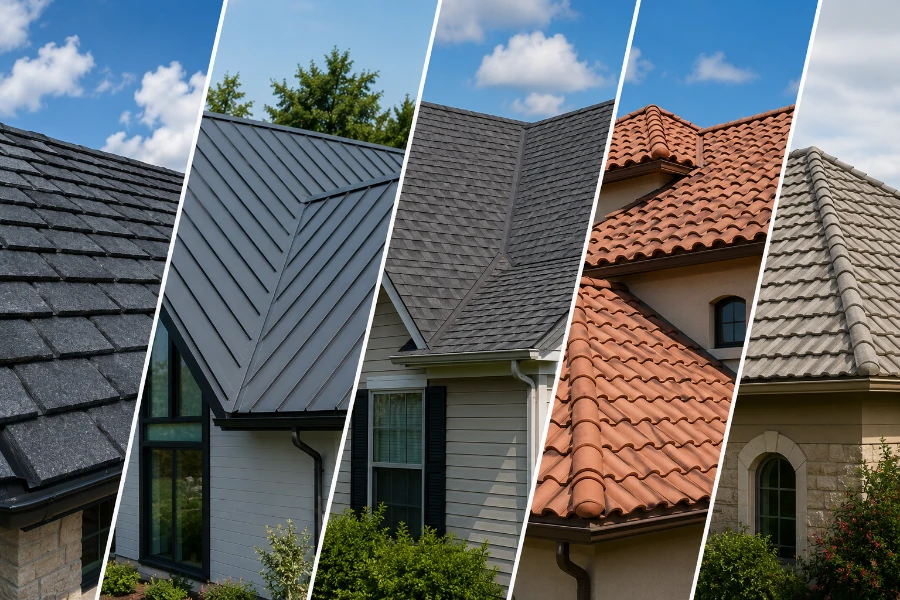
Several roofing materials perform well in high-wind environments. However, each offers different advantages.
Stone Coated Steel Roofing
Stone coated steel roofing combines the strength of galvanized steel with an attractive stone-coated finish that resembles traditional shingles, tile, or shake.
Its interlocking panel design significantly reduces wind uplift while maintaining excellent curb appeal.
Benefits include:
- Exceptional wind resistance
- Long service life
- Lightweight construction
- Fire resistance
- Impact resistance
- Minimal maintenance
- Attractive architectural appearance
For homeowners searching for wind resistant roofing Texas solutions that balance durability and aesthetics, stone coated steel consistently ranks among the best options.
Standing seam metal roofing also performs exceptionally well in severe weather. However, if you’re comparing premium systems, our guide to Class 4 stone coated roofing explains why impact resistance and wind performance often go hand in hand.
Standing Seam Metal Roofing
Standing seam metal roofs feature raised seams that lock panels together securely.
Advantages include:
- Excellent wind performance
- Long lifespan
- Low maintenance
- Superior water shedding
Potential drawbacks include higher installation costs and a more contemporary appearance that may not complement every home.
Architectural Asphalt Shingles
Architectural shingles remain one of the most popular residential roofing options.
Pros
- Affordable
- Widely available
- Improved durability over basic shingles
- Various color options
Cons
- Shorter lifespan
- More susceptible to aging
- Greater risk of wind damage over time
Concrete Tile Roofing
Concrete tile performs well when properly installed.
Advantages include:
- Attractive appearance
- Excellent durability
- Fire resistance
However, concrete tiles are extremely heavy and require sufficient structural support before installation.
Clay Tile Roofing
Clay tile offers timeless beauty and impressive longevity.
Still, individual tiles may crack during severe impacts, and replacement costs can be relatively high. Routine inspections are especially important after severe storms to identify broken or displaced tiles before water intrusion develops.
Why Stone Coated Roofing Performs So Well in High Winds
Stone coated steel roofing isn’t simply another metal roof. It’s specifically engineered to address many of the weaknesses found in traditional roofing systems.
Interlocking Panel Design
Instead of relying primarily on adhesive strips like asphalt shingles, stone coated panels mechanically interlock.
This creates a more secure roofing surface that better resists wind uplift. Rather than allowing individual sections to loosen independently, the interlocking system distributes wind forces across multiple panels, increasing the roof’s overall stability.
Multiple Fastening Points
Each panel is attached using numerous fasteners positioned according to manufacturer specifications.
This distributes wind forces more evenly across the roof while reducing the likelihood of individual panels becoming detached during severe storms.
Lightweight Yet Strong
Although steel offers incredible strength, stone coated roofing weighs significantly less than concrete or clay tile.
That means reduced structural stress without sacrificing durability. The lighter weight can also simplify installation compared to heavier roofing systems while maintaining exceptional performance.
Built for Extreme Weather
Many premium <a href=”https://stonecoatedroofs.com/blog/class-4-stone-coated-roofing/“>Class 4 stone coated roofing</a> systems provide exceptional durability while offering impressive protection against both wind and impact damage.
Many premium systems also provide:
- High wind resistance
- Class 4 impact ratings
- Fire resistance
- Corrosion protection
- UV resistance
- Excellent long-term performance
It’s a combination that’s difficult for many other roofing materials to match.
Benefits Beyond Wind Protection
Wind resistance may be the primary reason homeowners upgrade, but it’s certainly not the only one.
Additional benefits often include:
- Improved energy efficiency
- Lower maintenance costs
- Longer roof lifespan
- Enhanced curb appeal
- Increased resale value
- Potential insurance savings
- Better weather resistance overall
Some homeowners may also qualify for a roofing insurance premium reduction after installing qualifying wind-resistant roofing systems, making the investment even more valuable over the long term.
A quality roof protects your investment in more ways than one.
Features to Look for in Wind Resistant Roofing
Before choosing a roofing system, compare more than just appearance.
Look for these important features:
- High wind certifications
- Interlocking roofing design
- Corrosion-resistant fasteners
- Premium underlayment
- Strong manufacturer warranty
- Professional installation
- Impact-resistant materials
- Code-compliant installation methods
The strongest roofing systems combine all of these elements into one complete package.
Wind Resistant Roofing vs. Standard Roofing
The differences become especially noticeable after years of severe weather.
| Feature | Standard Roofing | Wind Resistant Roofing |
| Wind Protection | Moderate | Excellent |
| Storm Repairs | More Frequent | Less Frequent |
| Lifespan | Shorter | Longer |
| Maintenance | Higher | Lower |
| Long-Term Value | Moderate | High |
| Insurance Potential | Standard | May Qualify for Savings |
Although premium roofing systems generally cost more initially, they often reduce repair expenses throughout the roof’s lifespan.
Texas Building Codes and Wind Requirements
Texas building codes vary by region, particularly in coastal areas where hurricane exposure increases structural requirements.
Roofing systems may need to meet specific wind design standards depending on:
- Geographic location
- Building height
- Roof slope
- Local jurisdiction
- Exposure category
Working with an experienced contractor ensures your new roof complies with applicable local requirements while maximizing long-term performance.
Signs Your Current Roof May Not Be Wind Resistant
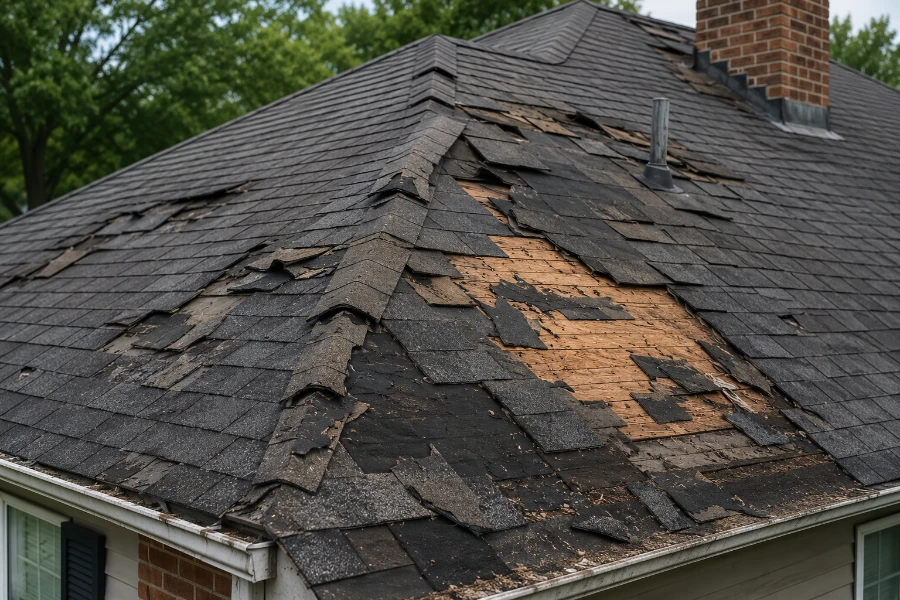
Not every roof clearly announces that it’s struggling.
Watch for warning signs such as:
- Missing shingles after storms
- Curling edges
- Loose flashing
- Frequent repairs
- Granule loss
- Water stains inside the attic
- Aging roofing materials
- Visible lifting around roof edges
If you notice several of these issues, scheduling a professional inspection is a smart next step.
Choosing the Right Roofing Contractor
Even the highest-rated roofing materials depend on expert installation.
When evaluating contractors, ask thoughtful questions.
Ask About Their Experience
Request information regarding:
- Manufacturer certifications
- Years installing wind-resistant roofing
- Previous local projects
- Warranty coverage
- Insurance
- Licensing where applicable
- Inspection process
Experienced contractors should confidently explain how their installation methods improve long-term wind performance. They should also be willing to answer questions about fastening systems, underlayment choices, ventilation, and the specific wind ratings of the products they install.
Is Wind Resistant Roofing Worth the Investment?
Many homeowners initially focus on installation costs.
However, evaluating lifetime value paints a much clearer picture.
Long-Term Value Comparison
| Benefit | Standard Roof | Wind Resistant Roof |
| Initial Cost | Lower | Higher |
| Repair Frequency | Higher | Lower |
| Expected Lifespan | Moderate | Long |
| Storm Protection | Basic | Superior |
| Long-Term Cost | Higher | Lower |
A roof that withstands decades of severe weather often proves less expensive over time than one requiring repeated repairs and premature replacement.
For many homeowners, wind resistant roofing Texas solutions provide greater peace of mind during storm season while reducing unexpected maintenance costs. Combined with lower maintenance needs and possible insurance incentives, the return on investment becomes even more compelling over the life of the roof.
Wind Resistant Roof Maintenance Tips
Even the most durable roof benefits from routine care.
Follow these maintenance practices:
- Schedule professional inspections annually.
- Inspect the roof after major storms.
- Remove leaves and debris promptly.
- Keep gutters clean.
- Trim tree branches near the roof.
- Check flashing around chimneys and vents.
- Repair minor damage before it spreads.
Simple preventive maintenance often costs very little compared to emergency repairs after severe weather. Staying proactive helps preserve both the appearance and structural integrity of your roofing system.
Final Thoughts
Texas weather is unpredictable. Your roof shouldn’t be.
Investing in wind resistant roofing Texas homeowners can rely on is one of the smartest ways to protect your home, reduce future repair costs, and improve long-term property value. While several roofing materials offer excellent performance, stone coated steel roofing stands out for its combination of strength, beauty, longevity, and exceptional resistance to high winds.
The key, however, goes beyond selecting the right material. Professional installation, quality components, and regular maintenance all contribute to a roofing system capable of standing strong through years of Texas storms.
When the next round of powerful winds arrives—and it will—you’ll appreciate having a roof that’s engineered not just to survive the weather, but to perform through it with confidence.
FAQs
Stone coated steel and standing seam metal roofing are among the most wind resistant options, with some systems rated to withstand winds up to 170 mph.
Yes. Stone coated roofing is designed to handle high winds, hail, heavy rain, and intense sun, making it well-suited for Texas’ changing climate.
It depends on the roofing system, but many premium products are rated for winds between 110 and 170 mph when installed according to manufacturer specifications.
In some cases, yes. Certain impact- and wind-resistant roofing systems may qualify homeowners for insurance discounts, depending on the insurer and local requirements.
Absolutely. Even high-quality roofing materials can underperform if they are not installed using the proper fastening methods and manufacturer guidelines.
The lifespan varies by material, but stone coated steel roofing can last 40 to 70 years or more with proper installation and routine maintenance.
Common signs include missing or lifted shingles, damaged flashing, granule loss, roof leaks, and debris from roofing materials after a storm.
For many Texas homeowners, yes. The added durability can reduce repair expenses, extend roof life, and provide better protection during severe weather.
A professional inspection is recommended at least once a year and after major storms to identify any issues before they become costly repairs.
Yes. During a roof replacement, contractors can install stronger materials, improved underlayment, and enhanced fastening systems to significantly increase wind resistance.